
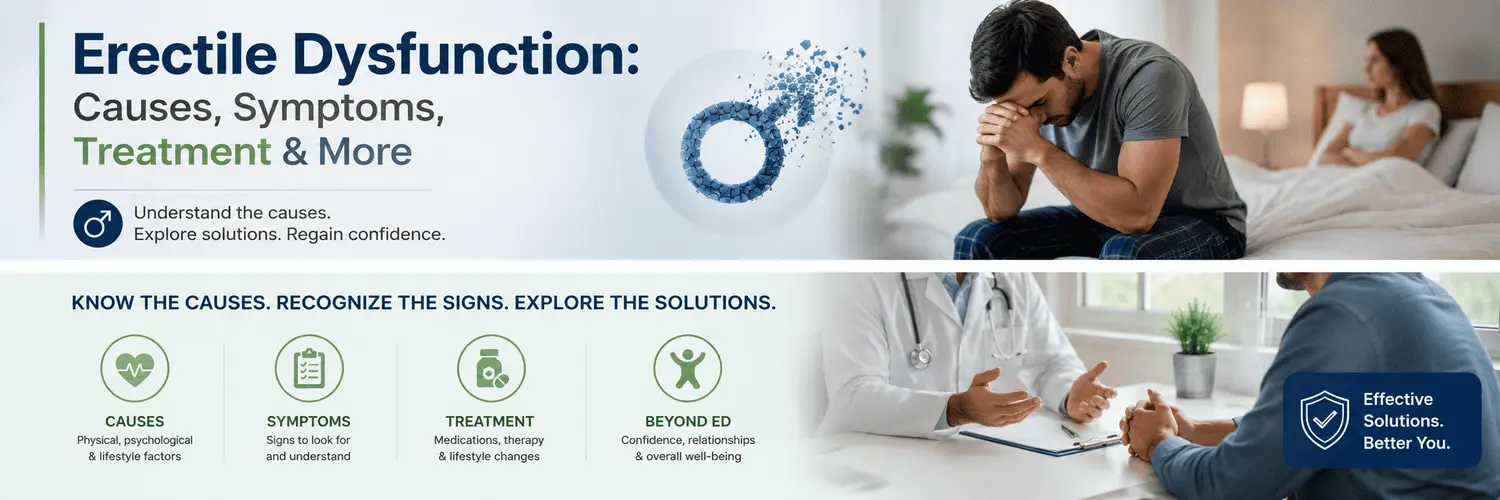
Erectile dysfunction (ED) is a common sexual health concern that can affect a man’s confidence, relationships, and overall quality of life. While occasional difficulty getting or keeping an erection can happen to almost anyone, persistent problems may indicate an underlying health condition, medication effect, psychological factor, or combination of causes that deserve attention.
Erectile dysfunction can occur at any age, although the likelihood generally increases with age. It is not necessarily an unavoidable part of getting older, and in many cases, identifying and addressing the underlying cause can help improve erectile function.
The good news is that erectile dysfunction is often manageable and treatable. Depending on what is causing the problem, treatment may involve lifestyle changes, addressing an underlying medical condition, psychological support, prescription medications, medical devices, or other approaches. Some men may also consider dietary supplements and natural approaches as part of their overall sexual wellness routine.
In this guide, we’ll explain what erectile dysfunction is, its common symptoms and causes, how it is diagnosed, and the treatment options available. We’ll also look at lifestyle habits and self-care strategies that may support healthy erectile function and discuss what to know before considering supplements or other natural approaches.
What Is Erectile Dysfunction?
Erectile dysfunction (ED) is the inability to consistently get or maintain an erection that is firm enough for satisfactory sexual activity. It may involve difficulty getting an erection in the first place, losing an erection during sexual activity, or not achieving an erection that is sufficiently firm.
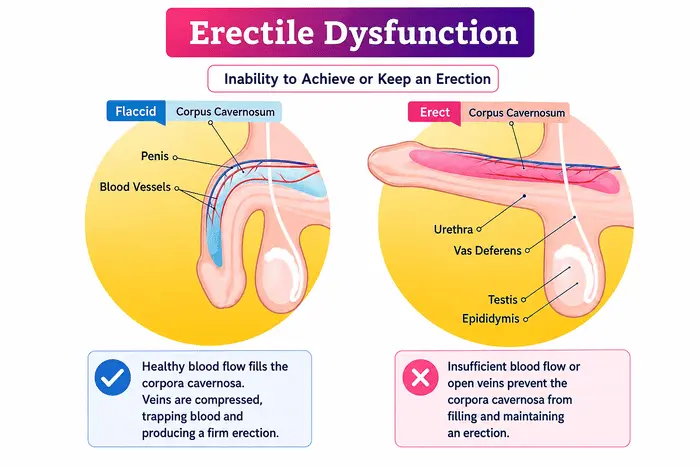
Occasional erection difficulties are common and do not necessarily mean that a person has erectile dysfunction.
Factors such as stress, tiredness, anxiety, relationship difficulties, or consuming too much alcohol can temporarily affect sexual performance.
However, when erection problems happen repeatedly or persist over time, they may be a sign of erectile dysfunction and should be evaluated.
An erection is a complex process involving the brain, hormones, nerves, blood vessels, and penile tissues.
Sexual stimulation triggers signals that cause blood vessels in the penis to relax and widen, allowing increased blood flow into the erectile tissues.
The blood is then retained within these tissues, helping the penis become and remain firm. Problems affecting any part of this process can contribute to ED.
Is Erectile Dysfunction the Same as Impotence?
The term “impotence” has historically been used to describe erectile difficulties, but erectile dysfunction (ED) is the preferred medical term today. ED specifically refers to problems with achieving or maintaining an erection.
It is also important to distinguish ED from other sexual concerns. Erectile dysfunction does not necessarily mean a person has a low sex drive, problems with ejaculation, or difficulty reaching orgasm. These issues can occur alongside ED, but they are separate sexual health concerns and may have different causes.
How Common Is Erectile Dysfunction?
Erectile dysfunction is a common condition among men and becomes more prevalent with age. However, it is not considered an inevitable part of aging. Health conditions, medications, lifestyle factors, and psychological or emotional issues can all contribute to erectile difficulties.
Because the causes of ED can vary considerably from one person to another, understanding the underlying reason is an important part of finding an appropriate solution.
Symptoms of Erectile Dysfunction
The symptoms of erectile dysfunction can vary from person to person and may develop gradually or appear more suddenly. The most common sign is difficulty achieving or maintaining an erection, but ED can involve several different patterns of erection problems.
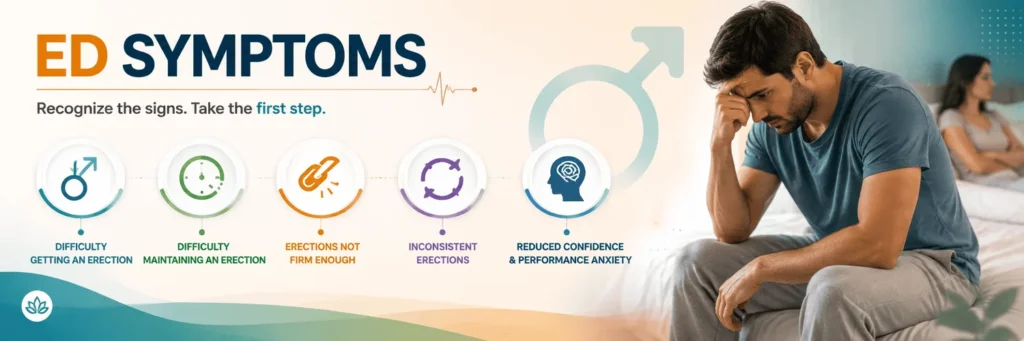
Experiencing an erection problem occasionally does not necessarily mean you have erectile dysfunction. However, if the problem is persistent, happens frequently, or is affecting your sexual life and relationships, it may be worth discussing with a healthcare professional.
Common Symptoms of Erectile Dysfunction
Some of the most common erectile dysfunction symptoms include:
- Difficulty getting an erection: You may have sexual desire or stimulation but find it difficult to become erect.
- Difficulty maintaining an erection: You may achieve an erection but lose it before or during sexual activity.
- Erections that are not firm enough: An erection may occur but may not be sufficiently firm for satisfactory sexual activity.
- Inconsistent erections: You may be able to achieve an erection sometimes but have difficulty at other times or in certain situations.
- Reduced confidence during sexual activity: Repeated erection difficulties may lead to worry or anxiety about sexual performance, which can sometimes make the problem worse.
How Do You Know If You Have Erectile Dysfunction?
There is no single symptom or simple home test that can definitively diagnose erectile dysfunction. Healthcare professionals generally consider how often erection difficulties occur, how long they have been happening, and whether they interfere with sexual activity.
It may be helpful to consider questions such as:
- Do you regularly have difficulty getting an erection when you want one?
- Can you maintain an erection throughout sexual activity?
- Are your erections consistently less firm than they used to be?
- Do erection problems occur in most sexual situations or only occasionally?
- Have you noticed other changes in your sexual health or overall health?
If these difficulties are happening repeatedly, a medical evaluation can help determine whether you have ED and identify possible contributing factors.
Occasional Erection Problems vs. Erectile Dysfunction

It is normal for erections to be affected from time to time. Temporary difficulties may occur because of:
- Stress or anxiety
- Lack of sleep or fatigue
- Excessive alcohol consumption
- Relationship concerns
- Performance anxiety
- Illness or temporary changes in health
These occasional experiences do not necessarily indicate erectile dysfunction.
However, persistent or recurring erection problems should not simply be dismissed as a normal part of aging. ED can sometimes be associated with conditions such as diabetes, cardiovascular disease, hormonal imbalances, or medication side effects. In some cases, it may be an early indication of an underlying health problem that has not yet been diagnosed.
Can Erectile Dysfunction Affect Sexual Desire?
Erectile dysfunction and low sexual desire are not the same thing. A man with ED may still have a normal or strong interest in sex but have difficulty achieving or maintaining an erection.
However, ongoing erection difficulties can sometimes affect sexual confidence and emotional well-being. Frustration, embarrassment, or fear of not being able to perform can contribute to anxiety around sexual activity. This may create a cycle in which psychological stress further affects erectile function.
What Causes Erectile Dysfunction?
Erectile dysfunction can have many possible causes, and in some cases, several factors may contribute at the same time. An erection depends on a healthy interaction between the brain, hormones, nerves, blood vessels, and penile tissues, so a problem affecting any of these systems can interfere with erectile function.
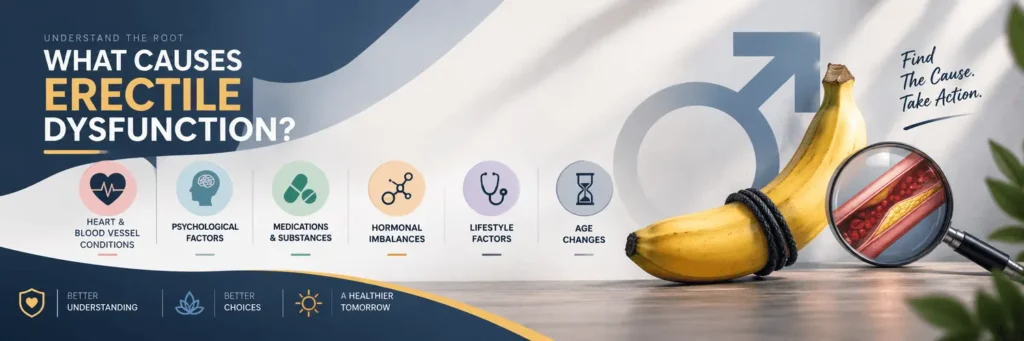
The causes of erectile dysfunction are generally grouped into physical, psychological, lifestyle-related, and medication-related factors. Understanding the potential cause is important because ED treatment often works best when the underlying problem is also addressed.
1. Physical Causes of Erectile Dysfunction
Many cases of ED are linked to physical health conditions that affect blood flow, nerve function, or hormone levels.
Common physical causes include:
A. Cardiovascular and Blood Vessel Problems
mage blood vessels may therefore contribute to erectile difficulties.
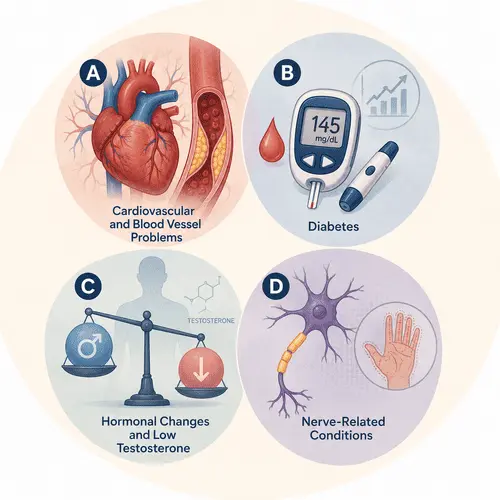
These can include:
- High blood pressure
- High cholesterol
- Atherosclerosis (hardening or narrowing of the arteries)
- Heart disease
- Peripheral artery disease
Because the blood vessels in the penis are relatively small, problems with circulation may sometimes become noticeable through erectile difficulties before other cardiovascular symptoms appear.
B. Diabetes
Diabetes can increase the risk of erectile dysfunction because persistently high blood sugar levels may damage blood vessels and nerves involved in erections. Men with diabetes may therefore experience ED as a result of both impaired circulation and nerve damage.
Managing blood sugar and other aspects of diabetes can be an important part of protecting sexual and overall health.
C. Hormonal Changes and Low Testosterone
Hormones also play a role in sexual function. Low testosterone may be associated with reduced sexual desire and can sometimes contribute to erectile difficulties. However, low testosterone is only one possible cause of ED, and not every man with erectile dysfunction has a testosterone deficiency.
Other hormonal conditions, including thyroid disorders, may also affect sexual function.
D. Nerve-Related Conditions
The nerves involved in sexual arousal and erections can be affected by certain health conditions or injuries. Possible contributors include:
- Multiple sclerosis
- Parkinson’s disease
- Spinal cord injuries
- Stroke
- Nerve damage related to diabetes
Nerve damage following certain surgeries or medical procedures, particularly those involving the pelvis or prostate, can also affect erectile function.
2. Psychological and Emotional Causes of Erectile Dysfunction
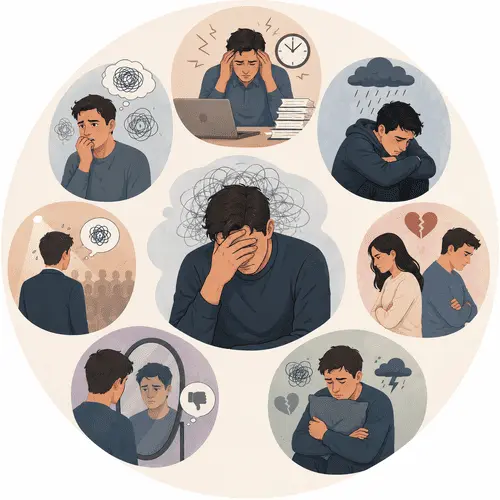
Erections are influenced not only by physical health but also by the brain and emotional state. Psychological factors can cause ED on their own or worsen an existing physical problem.
Potential psychological causes include:
- Stress
- Anxiety
- Depression
- Performance anxiety
- Relationship difficulties
- Low self-confidence
- Emotional distress
Performance anxiety can be particularly important. After experiencing an erection problem, a man may become worried that it will happen again.
This fear can increase stress during sexual activity, potentially making it more difficult to achieve or maintain an erection.
In some cases, psychological and physical factors occur together.
For example, a man with a medical condition that causes occasional ED may subsequently develop anxiety about sexual performance, which can further contribute to the problem.
3. Lifestyle Factors That May Contribute to ED
Certain lifestyle habits can affect circulation, cardiovascular health, hormone balance, and overall sexual function.
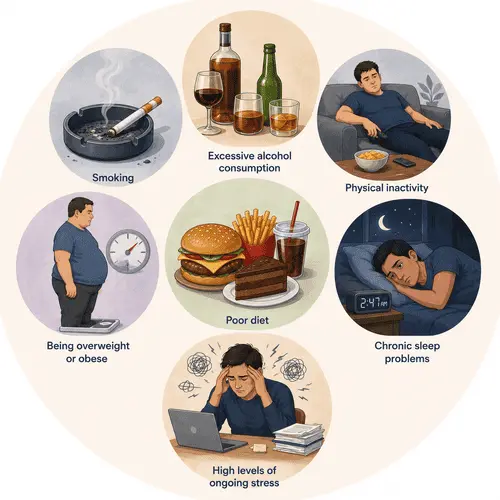
Factors that may increase the risk of erectile difficulties include:
- Smoking
- Excessive alcohol consumption
- Physical inactivity
- Being overweight or obese
- Poor diet
- Chronic sleep problems
- High levels of ongoing stress
Improving these factors may support overall health and, in some cases, improve erectile function. However, lifestyle changes may not be enough on their own when ED is caused by an underlying medical condition.
Can Smoking Cause Erectile Dysfunction?
Yes. Smoking can contribute to erectile dysfunction.
Tobacco smoke contains chemicals that can damage blood vessels and negatively affect circulation. Because an erection depends on sufficient blood flow to the penis, smoking may make it more difficult to achieve or maintain an erection.
Smoking is also associated with cardiovascular disease, which is itself a risk factor for ED. Quitting smoking can therefore benefit both sexual and overall cardiovascular health.
Can Medications Cause Erectile Dysfunction?
Yes. Certain medications may contribute to erectile difficulties as a side effect. However, the effect varies depending on the specific medication, dosage, and individual health factors.
Medications that may sometimes be associated with sexual side effects include certain:
- Blood pressure medications
- Antidepressants
- Antipsychotic medications
- Hormonal medications
- Other prescription drugs
Can Lisinopril Cause Erectile Dysfunction?
Lisinopril, an ACE inhibitor commonly prescribed to treat high blood pressure and certain cardiovascular conditions, is not generally considered one of the blood pressure medications most strongly associated with ED. However, sexual side effects can vary between individuals, and erectile difficulties may also result from the underlying high blood pressure or cardiovascular disease being treated.
If you notice a change in erectile function after starting lisinopril or changing your dosage, speak with your healthcare professional rather than stopping the medication on your own.
Can Amlodipine Cause Erectile Dysfunction?
Amlodipine, a calcium channel blocker used to treat high blood pressure and certain heart conditions, has been associated with sexual side effects in some people, although ED is not considered one of its most common adverse effects.
As with other medications, it can be difficult to determine whether ED is caused by the medicine itself, the underlying health condition, or another factor. If you suspect that amlodipine is affecting your sexual function, discuss your concerns with your healthcare provider before making any changes to your treatment.
4. Age and Erectile Dysfunction
The likelihood of erectile dysfunction generally increases with age, but ED is not an unavoidable consequence of getting older.
As men age, they may be more likely to develop health conditions or take medications that can affect erectile function. Changes in blood vessel health, hormone levels, physical activity, and overall health may also play a role.
For this reason, persistent ED in an older adult should not simply be attributed to age without considering other potential causes.
Can Sexual Activity or Masturbation Cause Erectile Dysfunction?
Normal sexual activity and masturbation do not generally cause erectile dysfunction.
Similarly, having sex frequently does not typically cause permanent ED. Temporary changes in sexual responsiveness may occur after ejaculation, but this is different from persistent erectile dysfunction.
If erection problems occur consistently, the underlying cause is more likely to involve physical health, psychological factors, medications, lifestyle, or a combination of these rather than normal sexual activity itself.
Why Identifying the Cause Matters
There is no single cause of erectile dysfunction, which is why the same treatment may not work equally well for everyone. For one person, improving cardiovascular health and quitting smoking may be important; another may need help managing anxiety, adjusting a medication under medical supervision, or treating an underlying health condition.
If ED occurs regularly or represents a significant change from your usual sexual function, speaking with a healthcare professional can help identify potential causes and determine the most appropriate next steps.
Is Erectile Dysfunction Permanent?
Erectile dysfunction is not necessarily permanent. Whether it improves or continues over time largely depends on its underlying cause. Some cases of ED may be temporary or reversible, while others may require ongoing management.
For example, erectile difficulties related to stress, anxiety, excessive alcohol consumption, certain lifestyle factors, or medication side effects may improve when the underlying issue is addressed. ED associated with certain health conditions may also improve with appropriate treatment and better management of the condition.
However, when erectile dysfunction is linked to long-term conditions such as cardiovascular disease, diabetes, or nerve damage, it may require ongoing treatment rather than a permanent cure.
Can Erectile Dysfunction Be Cured?
There is no single permanent cure for erectile dysfunction that works for everyone. Treatment depends on what is causing the problem.
Depending on the individual, improving erectile function may involve:
- Treating an underlying health condition
- Improving physical activity and overall fitness
- Quitting smoking
- Limiting alcohol
- Managing stress and anxiety
- Addressing medication-related side effects with a healthcare professional
- Using appropriate medical treatments when recommended
The good news is that many men can improve their erectile function with the right approach. If you are experiencing persistent ED, identifying and addressing the underlying cause is often the most important first step.
How Is Erectile Dysfunction Diagnosed?
There is no single test that can diagnose every case of erectile dysfunction. A healthcare professional usually determines whether you have ED by reviewing your symptoms, medical history, sexual health, and overall health. The goal is not only to confirm erectile dysfunction but also to identify what may be causing it.
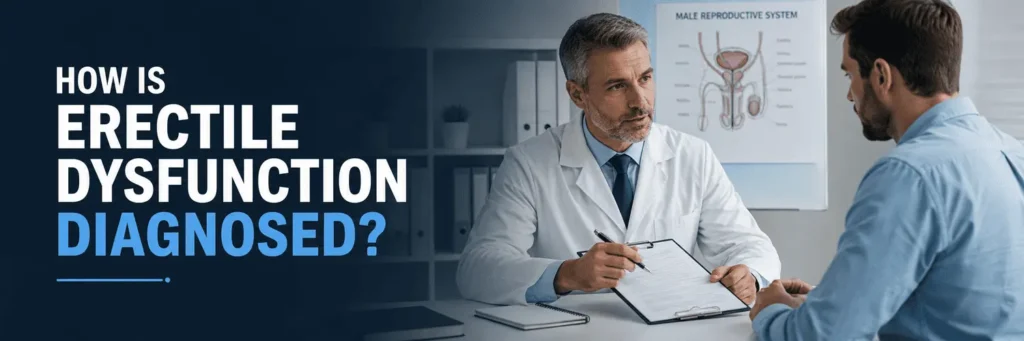
Medical and Sexual History
Your healthcare provider may ask about:
- When your erection problems started
- How often they occur
- Whether you can get and maintain an erection
- Whether you experience morning or spontaneous erections
- Your level of sexual desire
- Any recent changes in your physical or emotional health
- Medications and supplements you take
- Lifestyle factors such as smoking and alcohol use
These questions can help distinguish between physical, psychological, and medication-related causes.
Physical Examination
A physical examination may be performed to check for signs of health conditions that could contribute to ED. Depending on your symptoms and medical history, your healthcare provider may assess your blood pressure, cardiovascular health, and genital or neurological function.
Blood Tests and Other Tests
Blood tests may be recommended to look for potential underlying causes. Depending on your situation, these may include tests related to:
- Blood sugar or diabetes
- Cholesterol levels
- Testosterone and other hormones
- Thyroid function
- Other relevant health conditions
In certain cases, additional tests may be used to evaluate blood flow or other aspects of erectile function.
When Should You Get Tested for Erectile Dysfunction?
If erection problems happen repeatedly, persist for several weeks or months, or are affecting your sexual life, consider speaking with a healthcare professional. This is particularly important if ED develops suddenly or occurs alongside other symptoms or known health conditions.
A proper evaluation can help determine the underlying cause and guide you toward the most appropriate erectile dysfunction treatment rather than relying on trial and error.
Erectile Dysfunction Treatment Options
The right erectile dysfunction treatment depends on the underlying cause, your overall health, and other medications or treatments you may be using. Since ED can result from physical, psychological, lifestyle, or medication-related factors, treatment often involves addressing the specific factors contributing to the problem.
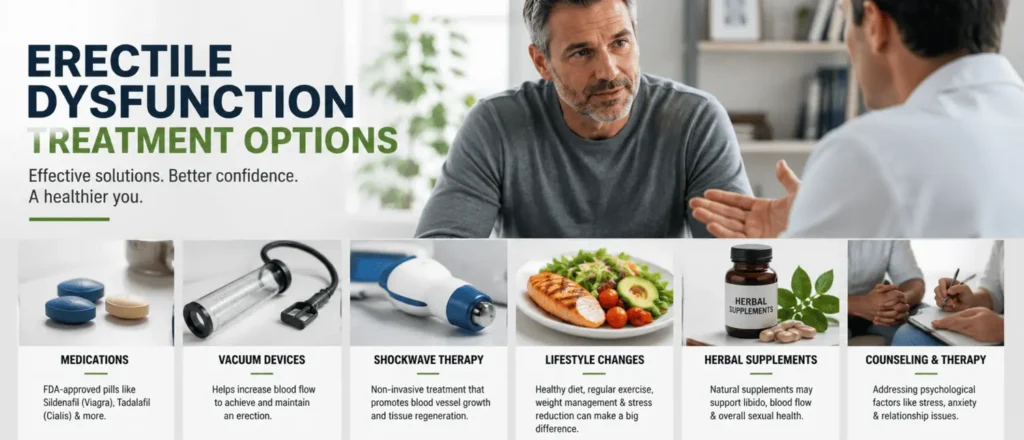
Common erectile dysfunction treatments include:
1. Lifestyle Changes
Making healthier lifestyle choices may improve erectile function, particularly when ED is associated with poor circulation, excess weight, smoking, excessive alcohol use, physical inactivity, or chronic stress. Regular physical activity can support cardiovascular health and blood flow, while maintaining a healthy weight may reduce the risk of conditions linked to ED.
Other potentially helpful changes include eating a balanced diet, quitting smoking, limiting alcohol, getting adequate sleep, and finding effective ways to manage stress. While lifestyle changes may not resolve every case of ED, they can support overall health and may complement other treatments.
2. Treating Underlying Health Conditions
Erectile dysfunction can sometimes be linked to an underlying health condition. Managing conditions such as diabetes, high blood pressure, high cholesterol, and cardiovascular disease may help protect blood vessel health and improve erectile function in some men.
Hormonal problems, including low testosterone, and certain neurological conditions may also contribute to ED and require appropriate medical evaluation. If a medication is suspected of causing or worsening erectile difficulties, a healthcare professional may review the treatment and, when appropriate, recommend a dosage adjustment or alternative medication.
3. Psychological Counseling
Psychological factors can play an important role in erectile dysfunction. Stress, anxiety, depression, performance anxiety, and relationship difficulties may interfere with sexual arousal or make it harder to achieve and maintain an erection.
Counseling, psychotherapy, or sex therapy may help address these concerns and develop strategies for managing anxiety and other emotional factors. Psychological and physical causes can also occur together, so addressing both aspects may be beneficial for some men.
4. Prescription Medications
Prescription medications are a common treatment option for many men with ED. Certain prescription drugs work by improving blood flow to the penis in response to sexual stimulation, helping some men achieve and maintain an erection. Other prescription treatments may be available depending on the underlying cause and individual circumstances. These medications are not suitable for everyone and may interact with certain medications or health conditions, so they should be used under the guidance of a qualified healthcare professional.
5. Vacuum Erection Devices
A vacuum erection device (VED), sometimes called a vacuum pump, uses gentle suction to draw blood into the penis and help produce an erection. A constriction ring may then be placed around the base of the penis to help maintain the erection during sexual activity.
These devices may be an option for men who cannot take certain ED medications, experience medication side effects, or prefer a non-drug approach. Proper use is important, and healthcare professionals can provide guidance on selecting and using an appropriate device.
6. Other Medical Treatments
When ED does not improve with lifestyle changes, counseling, oral medications, or other approaches, additional treatments may be considered depending on the cause and severity of the condition.
These may include self-injected medications, which are injected directly into the penis to help produce an erection, or urethral treatments that involve placing medication into the urethra. In cases of severe or treatment-resistant ED, a penile implant may be considered as a surgical option.
These treatments have different benefits, risks, and suitability requirements, so they should be discussed with a qualified healthcare professional.
Supplements and Natural Approaches
Some men explore dietary supplements and natural approaches as part of their overall sexual wellness routine. Depending on the formulation, these products may be designed to support areas such as blood flow, sexual desire, energy, stamina, or overall sexual performance.
Men interested in exploring this category may consider products such as VigRX Plus®, ProSolution™ Plus, or Erectin®, depending on their individual needs and the product’s intended use. However, supplements should be viewed as supportive options rather than guaranteed treatments for erectile dysfunction, and they should not replace appropriate medical evaluation or prescribed treatment.
Natural Ways to Support Erectile Function
Healthy lifestyle habits can play an important role in supporting erectile function. Because erections depend on healthy blood circulation, nerve function, hormones, and psychological well-being, improving overall health may also benefit sexual health.

Natural approaches are not a guaranteed cure for erectile dysfunction, particularly when ED is caused by an underlying medical condition. However, they can be an important part of a broader strategy for improving or maintaining erectile function.
Exercise Regularly
Regular physical activity supports cardiovascular health and healthy blood circulation, both of which are important for erections. Exercise may also help with weight management, stress, and overall energy levels.
Aim for a combination of:
- Brisk walking or other aerobic activity
- Strength training
- Activities that keep you physically active throughout the day
If you have an existing health condition or have been inactive for a long time, start gradually and choose activities appropriate for your fitness level.
Maintain a Healthy Weight
Being overweight or obese can increase the risk of conditions associated with ED, including diabetes and cardiovascular disease. Reaching and maintaining a healthy weight may support better overall health and, in some cases, improve erectile function.
Eat a Balanced Diet
A nutritious diet that supports cardiovascular health may also support healthy erectile function. Focus on a variety of:
- Vegetables and fruits
- Whole grains
- Legumes
- Nuts and seeds
- Healthy sources of protein
- Unsaturated fats
Limiting highly processed foods and excessive added sugars may also help support metabolic and cardiovascular health.
Quit Smoking
Smoking can damage blood vessels and negatively affect circulation, which may contribute to erectile difficulties. If you smoke, quitting can benefit your cardiovascular health and may also support sexual function.
Limit Alcohol
Excessive alcohol consumption can interfere with sexual performance and, over time, may contribute to erectile problems. Limiting alcohol intake may help support both sexual and overall health.
Prioritize Quality Sleep
Poor sleep and sleep disorders may be associated with sexual and hormonal health problems. Aim for a consistent sleep schedule and adequate rest. If you regularly experience severe snoring, interrupted breathing during sleep, or excessive daytime fatigue, consider discussing these symptoms with a healthcare professional.
Manage Stress and Anxiety
Stress and anxiety can affect sexual arousal and may contribute to performance anxiety. Techniques such as regular exercise, mindfulness, relaxation exercises, and counseling may help manage stress.
If anxiety or emotional distress is significantly affecting your sex life, professional support may be beneficial.
Manage Underlying Health Conditions
Conditions such as diabetes, high blood pressure, and cardiovascular disease can contribute to ED. Following your healthcare provider’s treatment plan and managing these conditions effectively can be an important part of supporting erectile function.
Can Natural Remedies Cure Erectile Dysfunction?
There is no natural remedy proven to permanently cure all cases of ED. The effectiveness of natural approaches depends largely on what is causing the problem.
Lifestyle changes can be beneficial, but persistent erectile dysfunction should not be ignored or treated solely with supplements. If erection problems continue, a healthcare professional can help identify the underlying cause and recommend appropriate treatment.
Supplements & Natural Support for Erectile Function
Alongside lifestyle changes and medical treatment when needed, some men explore dietary supplements and natural support options for erectile function. These products are often marketed to support blood flow, sexual performance, energy, or male sexual wellness.
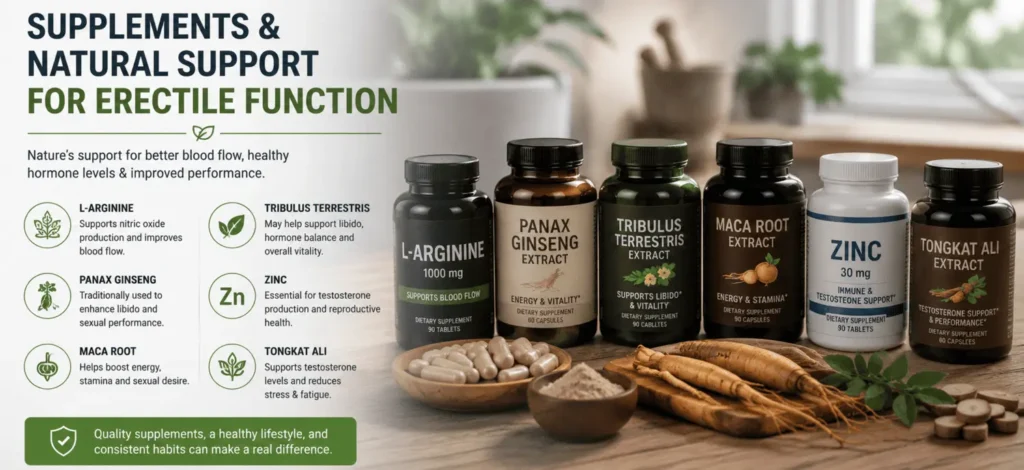
However, it’s important to understand that supplements are not a guaranteed treatment or permanent cure for erectile dysfunction. Evidence varies widely depending on the ingredients, formulation, and product, and supplements should not replace medical evaluation when ED is persistent.
What to Look for in an ED Supplement
If you’re considering a supplement for erectile or sexual health, look for:
- Transparent ingredient labeling with clearly stated amounts
- Ingredients with at least some scientific evidence supporting their intended use
- Realistic claims rather than promises of an instant or permanent cure
- Reputable manufacturing and quality-control practices
- Clear information about potential side effects and interactions
It’s also worth remembering that “natural” does not automatically mean safe. Some ingredients can interact with medications or may not be appropriate for people with certain health conditions.
Supplements That Support Different Aspects of Sexual Health
Different products may focus on different aspects of male sexual wellness. Depending on the formulation, supplements may be marketed to support:
- Healthy blood flow and circulation
- Sexual desire and arousal
- Energy and stamina
- Healthy testosterone levels
- Overall sexual performance
Because erectile dysfunction can have many different causes, a supplement that focuses on one aspect of sexual health may not address the underlying reason for ED.
Considering a Male Sexual Health Supplement
For men interested in exploring supplements as part of their broader sexual wellness routine, products such as VigRX Plus®, ProSolution™ Plus, and Erectin® may be options to research. Their formulations, ingredients, and intended benefits differ, so it’s important to review the product information carefully and choose based on your individual needs.
Supplements should be viewed as potential supportive options, rather than replacements for proven medical treatments or professional care.
Can Lifestyle Changes Improve Erectile Dysfunction?
Yes, lifestyle changes can help improve erectile function in some men, particularly when ED is linked to factors such as poor cardiovascular health, physical inactivity, excess weight, smoking, excessive alcohol use, or stress.
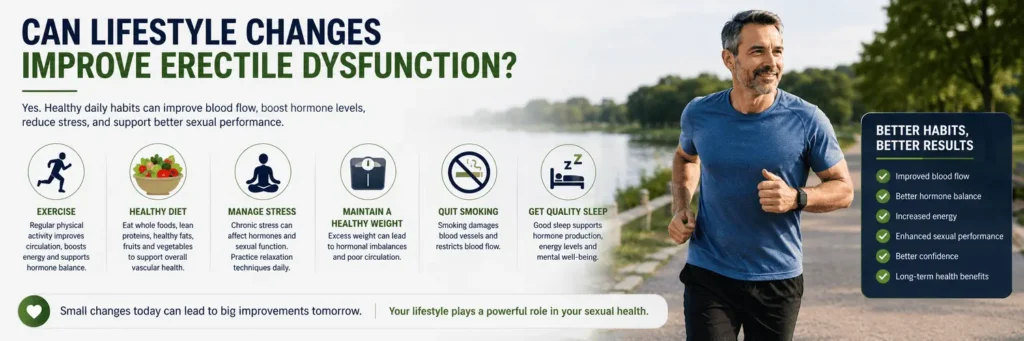
Because an erection depends heavily on healthy blood flow and overall physical and mental health, improving these areas may support better sexual function. However, lifestyle changes may not be enough when ED is caused by certain medical conditions, nerve damage, or other underlying factors.
- Stay Physically Active: Regular exercise can support cardiovascular health, circulation, weight management, and overall fitness. Aim for a combination of aerobic activity and strength training that fits your fitness level. Even simple activities, such as brisk walking, can be a useful starting point if you currently have a sedentary lifestyle.
- Maintain a Healthy Weight: If you are overweight, gradual weight loss may help improve overall metabolic and cardiovascular health. Maintaining a healthy weight may also reduce the risk of conditions such as diabetes and high blood pressure that can contribute to ED.
- Stop Smoking: Smoking can damage blood vessels and impair circulation. Quitting smoking may therefore benefit both erectile and cardiovascular health.
- Limit Alcohol: Excessive alcohol consumption can interfere with sexual performance and may contribute to ongoing erectile difficulties. Reducing alcohol intake can be beneficial for overall health and may support sexual function.
- Eat for Better Overall Health: A balanced diet rich in vegetables, fruits, whole grains, legumes, nuts, and other nutrient-dense foods can support cardiovascular and metabolic health. Rather than relying on a single “ED food,” focus on an overall eating pattern that supports long-term health.
- Get Enough Quality Sleep: Poor sleep may affect energy, mood, hormones, and overall sexual health. Maintaining a consistent sleep schedule and addressing possible sleep disorders may help support better well-being and sexual function.
- Manage Stress and Anxiety: Chronic stress and performance anxiety can interfere with sexual arousal and erections. Exercise, relaxation techniques, mindfulness, and professional counseling may help reduce psychological factors that contribute to ED.
- Manage Existing Health Conditions: If you have diabetes, high blood pressure, high cholesterol, or another chronic condition, following your healthcare provider’s treatment plan is an important part of protecting your sexual and overall health
How Long Does It Take to Improve Erectile Function?
There is no fixed timeline for improvement. It depends on the underlying cause of ED, the lifestyle changes being made, and the individual’s overall health. Some changes, such as reducing alcohol or managing stress, may have relatively quick effects, while improvements related to fitness, weight, or cardiovascular health may take longer.
If erectile difficulties persist despite healthy lifestyle changes, consider speaking with a healthcare professional. Persistent ED can sometimes indicate an underlying health issue that requires evaluation.
Frequently Asked Questions About Erectile Dysfunction
Here are answers to some of the most common questions about erectile dysfunction, based on common concerns people have when researching ED symptoms, causes, and treatment.

Does Masturbation Cause Erectile Dysfunction?
No. Masturbation does not generally cause erectile dysfunction. There is no good evidence that normal masturbation permanently damages erectile function.
However, factors such as anxiety, stress, or certain patterns of sexual stimulation may affect sexual experiences for some individuals. If you consistently have difficulty getting or maintaining an erection, it is worth considering other potential physical, psychological, lifestyle, or medication-related causes.
Can Too Much Sex Cause Erectile Dysfunction?
Having sex frequently does not typically cause permanent erectile dysfunction. After ejaculation, men naturally experience a refractory period, during which it may temporarily be difficult to achieve another erection. The duration varies from person to person and generally increases with age.
This temporary period is normal and should not be confused with persistent ED.
How Long Does Temporary Erectile Dysfunction Last?
There is no specific timeframe because it depends on the cause. Erection difficulties related to temporary stress, anxiety, fatigue, excessive alcohol, or illness may improve once the contributing factor is resolved.
If erection problems continue or occur repeatedly, a healthcare professional can help determine whether an underlying condition may be involved.
What Is the Latest Treatment for Erectile Dysfunction?
ED treatment continues to evolve, and research is exploring newer medications, devices, and other therapeutic approaches. However, there is no single “latest treatment” that is best for everyone.
Established options—including lifestyle changes, counseling when appropriate, prescription medications, vacuum erection devices, and other medical treatments—remain relevant depending on the cause and individual circumstances.
Speak with a healthcare professional to determine which options are appropriate for you.
What Is the Best Cream for Erectile Dysfunction?
There is no universally recognized best cream for erectile dysfunction. Topical products may be marketed for sexual performance, but their effectiveness and safety can vary.
Because ED often involves blood flow, nerve function, hormones, or psychological factors, a topical product may not address the underlying cause. Persistent ED should be evaluated by a healthcare professional rather than relying solely on a cream.
What Is the Best Vacuum Device for Erectile Dysfunction?
Vacuum erection devices can be effective for some men, but the best choice depends on individual needs, ease of use, safety features, and product quality.
Look for a device from a reputable manufacturer that is designed specifically for erectile dysfunction and follow the instructions carefully. A healthcare professional can also help you understand whether a vacuum device is suitable for you.
Which Ginseng Is Best for Erectile Dysfunction?
Research into ginseng and erectile function has produced some promising findings, but evidence is not strong enough to establish one specific type or product as the best choice for everyone.
If you’re considering ginseng or another herbal supplement, check the ingredient and dosage information carefully and discuss potential interactions with a healthcare professional, particularly if you take prescription medications.
When Should You See a Doctor About Erectile Dysfunction?
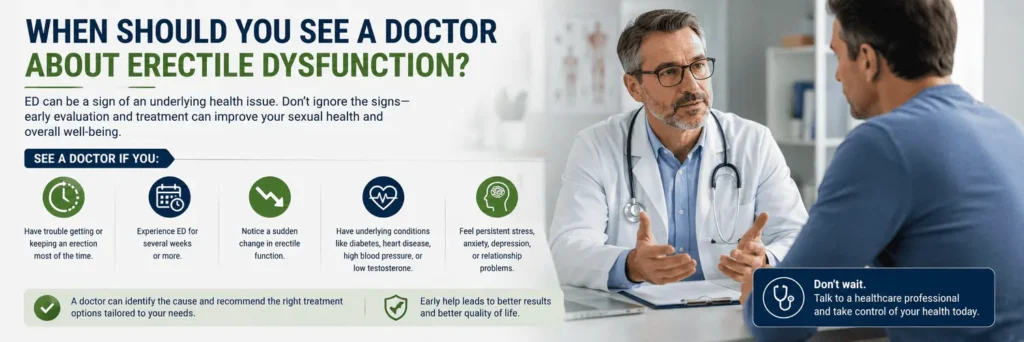
Occasional difficulty getting or maintaining an erection is common and may happen because of stress, fatigue, anxiety, or alcohol. However, persistent or recurring erectile dysfunction should not be ignored.
Consider speaking with a healthcare professional if:
- You regularly have difficulty getting or maintaining an erection.
- ED has continued for several weeks or keeps coming back.
- Your symptoms are affecting your confidence, relationship, or quality of life.
- You have diabetes, high blood pressure, high cholesterol, heart disease, or another chronic health condition.
- You suspect that a prescription medication may be affecting your sexual function.
- You experience a sudden or unexplained change in erectile function.
- You have other symptoms, such as pain, changes in urination, or reduced sexual desire.
Why Is It Important to Get ED Evaluated?
Erectile dysfunction can sometimes be an early sign of an underlying health problem, particularly conditions affecting blood vessels and cardiovascular health. Getting evaluated can help identify potential causes and ensure that any underlying condition is addressed appropriately.
A healthcare professional can review your medical history, medications, lifestyle, and symptoms and recommend appropriate tests or treatment when necessary.
You should also seek urgent medical attention if you experience an erection that lasts longer than four hours, as this can be a medical emergency requiring prompt treatment.
In A Nutshell
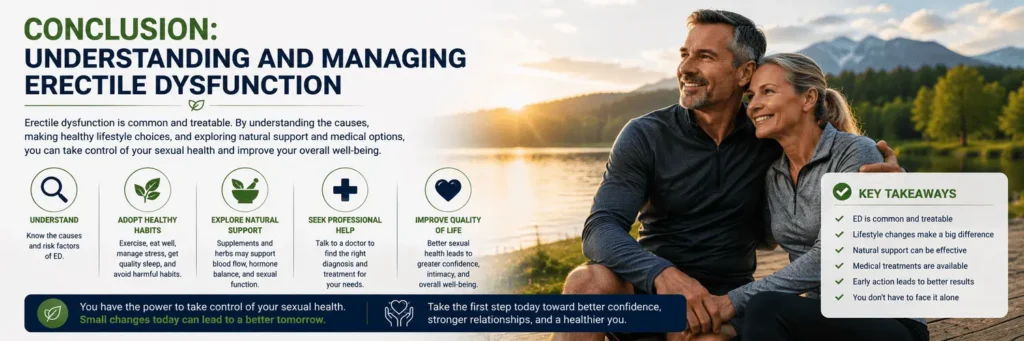
Erectile dysfunction is a common condition that can have physical, psychological, lifestyle, or medication-related causes. While occasional erection difficulties are normal, persistent or recurring ED may be a sign that something needs attention.
The good news is that erectile dysfunction is often manageable and, in some cases, reversible. Identifying the underlying cause is an important first step toward finding the right solution. Depending on the individual, treatment may include improving lifestyle habits, managing an underlying health condition, addressing stress or anxiety, using prescription medications, or exploring other medical options.
Healthy habits—including regular exercise, a balanced diet, maintaining a healthy weight, avoiding smoking, limiting alcohol, getting adequate sleep, and managing stress—can also support overall cardiovascular and sexual health.
Some men may also consider dietary supplements as part of their broader approach to sexual wellness. However, supplements should be viewed as supportive options rather than guaranteed cures, and they should not replace professional medical evaluation when ED is persistent.
If you’re experiencing ongoing erectile difficulties, don’t feel embarrassed to seek help. Understanding the potential cause and getting appropriate guidance can make it easier to find a treatment approach that works for you and supports your long-term health and well-being.